

Businesses thrive on the predictable cadence of operating revenues, yet the ad-hoc melodies of non-operating revenues can present opportunities or act as financial cushions during lean times. Liabilities are the debts, or financial obligations of a business – the money the business owes to others. Liabilities are classified as current liabilities or long-term liabilities. A company’s assets are also grouped according to their life span and liquidity – the speed at which they can be converted into cash. The taxi company’s total revenue was $116,500, of which $100,000 is revenue from sales.
A Quick Guide to Revenue Accounts: Examples, Types & Uses
Technology can be a game-changer in how you acquire, serve, and retain customers, ultimately leading to a healthier bottom line. Testing different models can help you find the most effective approach for your business. And remember, pricing isn’t set in stone; regular reviews against your market research can keep your pricing strategy up to date with consumer expectations and industry standards.
What is revenue recognition in business and why is it important?
- If a company incurs costs due to replacements, discounts and deductions and those costs outweigh any income generated from non-sales sources, a company’s revenue could be lower than its sales.
- Revenue accounts also include specific categories like dividend income and rent payment, which reflect diverse income streams.
- Contra revenue accounts deduct money from your business’s sales revenue.
- That said, ensuring your business stays in step with ASC while could be messy at first, all change is – doesn’t have to be complicated.
- Revenues are the assets earned by a company’s operations and business activities.
Generally, Car Dealership Accounting the basis of a digital asset is the cost in U.S. dollars. A digital asset is stored electronically and can be bought, sold, owned, transferred or traded. There must be an agreement with enforceable rights applicable to company and customer and approved by both.
Reporting Sales Revenue
Now let’s draw our attention to the three types of Equity accounts, discussed below, that will meet the needs of many small businesses. A decrease in liabilities increases equity, but an increase in liabilities decreases equity. Likewise, increasing assets increases equity, but a decrease in assets lowers equity.
- Sales and revenue are critical metrics for businesses, serving as key indicators of financial health.
- Some events involved in this chain are identification of contracts, determination of transaction prices, fulfilling of performance obligations, and recording of revenue.
- Similarly, a software firm recognizes revenue when it provides services to its clients.
- Training for finance teams is also invaluable—knowing the ins and outs of these standards can prevent costly compliance blunders.
Are Revenue versus sales interchangeable terms?
- Timing isn’t just about the seconds or minutes; in the world of finance, it can shape perceptions of a company’s success or struggles.
- Current liabilities are usually paid with current assets; i.e. the money in the company’s checking account.
- Revenue Accounts are those accounts that report the income of the business and therefore have credit balances.
- The Internal Revenue Code and regulations require taxpayers to maintain sufficient records to establish the positions taken on federal income tax returns.
But if renting how is sales tax calculated is not the primary activity of the business, then it would fall under the Non-Operating Revenue Accounts. Under this account, all the debits and credits only relate to income from rental activities. Long-term liabilities, or non-current liabilities, are typically mortgages or loans used to purchase or maintain fixed assets, and are paid off in years instead of months. For a cash sale, debit the Cash account to increase assets and credit the Sales Revenue account to reflect earned income. Common errors include recognizing revenue too early or too late, improperly recording sales returns and allowances, and failing to account for sales discounts.

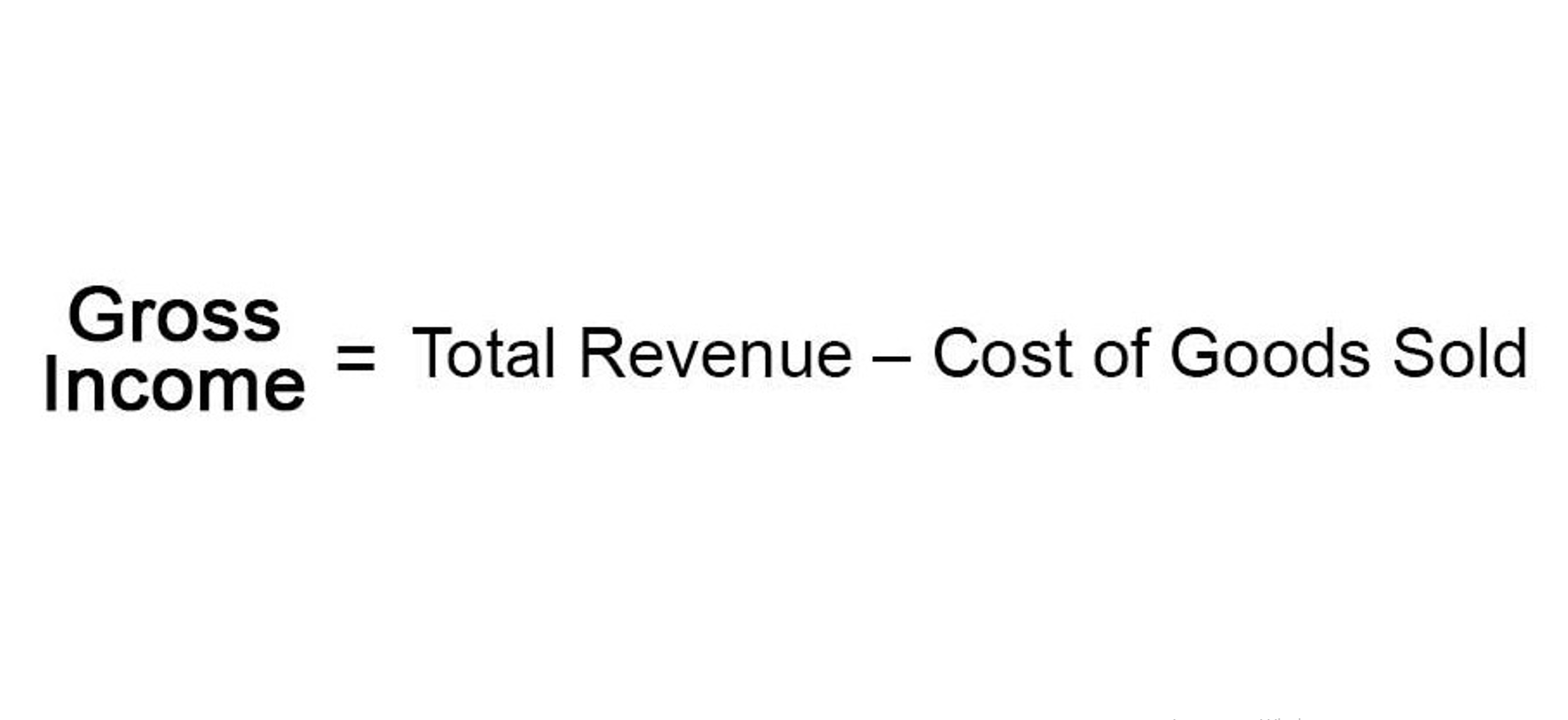
Use that knowledge to work out what sort of profit margin you need to keep your business sustainable. Gross sales is all the income generated from the sale of goods or services, and it ignores any discounts, refunds or other things that might reduce that income. This is because sales typically refers to the gross income from sales, rather than the income generated after things like sales returns or discounts are taken into account. This guide serves as a foundational resource for understanding and implementing the journal entry process for sales revenue, a cornerstone of financial reporting and analysis.

Gross sales revenue
Philip sales revenue formula Gray is the COO of Black and White Zebra and Founding Editor of The RevOps Team. A business renaissance man with his hands in many departmental pies, he is an advocate of centralized data management, holistic planning, and process automation. An unapologetic buzzword apologist, you can often find him double clicking, drilling down, and unpacking all the things.